

Interpretation of the GB/T 10051.3 Standard “Lifting Hooks—Laminated Hooks”
📌GB/T 10051.3《起重吊钩叠片式吊钩》是起重机领域的重要技术规范。该标准是国家标准委制定的叠片式吊钩标准。
This standard provides a unified technical basis for designers, inspection agencies, and users. Krude Heavy Industry strictly adheres to the technical requirements of this standard throughout the product development and manufacturing processes to ensure the equipment’s compliance and reliability.
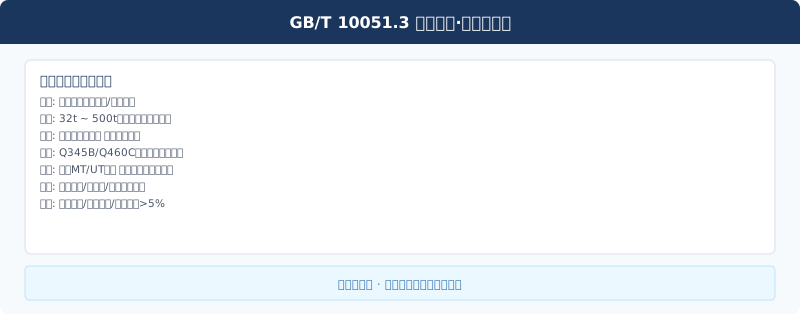
Scope and Purpose of the Standard
GB/T 10051.3《起重吊钩叠片式吊钩》主要规定了起重机起重吊钩叠片相关的技术要求和安全指标,适用于额定起重量0.5t以上的各类起重机械。该标准不仅覆盖新设备的设计与制造环节,还对在用设备的检验、维护和改造提出了明确的技术指导。作为起重机标准体系中的关键组成部分,该标准与EN 13001系列、ISO 4309等标准协调一致,共同构成了完整的技术规范体系。
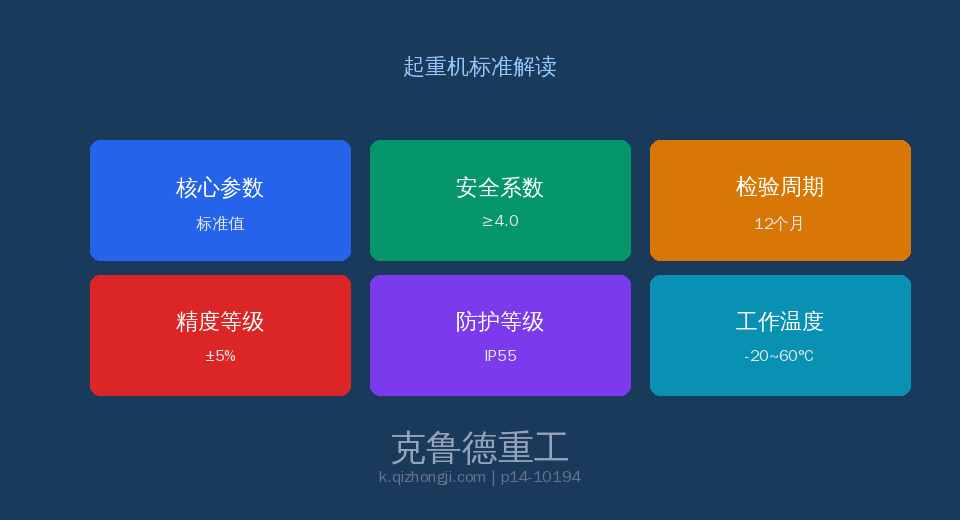
Core Technical Specifications
根据GB/T 10051.3的技术规定,起重吊钩叠片式吊的设计与制造需要满足一系列严格的技术参数要求。这些参数的确定基于大量试验数据和安全工程理论,覆盖了从材料选用到结构设计的全过程。标准规定的安全系数取值范围充分考虑起重机械在恶劣工况下的疲劳寿命和极限载荷条件。
Comparative Analysis of Key Technical Parameters
| Project | Technical Requirements | Note |
|---|---|---|
| Safety Factor | ≥4.0(整体破断/额定) | 每片均匀受力 |
| 叠片数量 | ≥4片(标准)/≥6片(大型) | 片间贴合无间隙 |
| 铆接 | 高强铆钉冷铆 | 铆钉MT检测 |
| 单片磨损 | <原厚度5%报废 | 超标则单片可更换 |
| MT探伤 | 每片年度MT | 发现裂纹即报废单片 |
| Logo | 额定载荷+片数+制造日期 | 永久清晰 |
Inspection Requirements and Frequency
Factory inspections shall be conducted unit by unit by the quality inspection department at the manufacturer’s facility. Equipment that passes inspection shall be accompanied by a detailed inspection report and a certificate of conformity. Type testing shall be conducted when a new product enters production for the first time, when production is transferred to a different facility, or when major structural changes are made. The periodic inspection interval for in-service equipment shall be determined based on the duty class and operating environment, and generally shall not exceed 12 months.
| Project | Technical Requirements | Note |
|---|---|---|
| MT探伤 | 每片年度磁粉检测 | 发现裂纹单片报废 |
| 片贴合 | 间隙≤0.1mm | 半年+超差调整 |
| 铆钉检查 | 松动/裂纹/磨损 | 年度+扭矩复验 |
| Logo | 额定载荷清晰 | 年度+不清晰重标 |
Safety Operation and Management Requirements
The standard places particular emphasis on the importance of operator qualifications and training, requiring that all operators undergo specialized training and obtain the appropriate qualifications before being allowed to operate the equipment. Organizations using the equipment should establish a comprehensive equipment record-keeping system to document in detail the entire process of installation, use, maintenance, and inspection.
Frequently Asked Questions
问:GB/T 10051.3叠片式吊钩的特点?
答:由多片钢板叠合铆接而成。单片损坏可更换无需整体报废。安全系数≥4.0。
问:GB/T 10051.3叠片式吊钩标准对叠片数量和材料的要求?
答:≥4片(标准)≥6片(大型)。每片均匀受力。片间贴合间隙≤0.1mm。
问:GB/T 10051.3标准对叠片式吊钩的磁粉检测覆盖率和周期?
答:每片年度MT磁粉检测。发现裂纹单片更换。铆钉同样MT。
问:GB/T 10051.3叠片式吊钩相比锻造吊钩的优缺点对比?
答:叠片式单片损伤可更换维护成本低,适合大型吊钩。锻造式整体安全性更高。
🔧 克鲁德重工 — 专注起重机设计与制造,产品严格遵循GB/T 10051.3标准体系,提供全生命周期服务。
