

GB/T 24810「起重机用电气控制设备」标准解读
📌GB/T 24810《起重机用电气控制设备》是起重机领域的重要技术规范。该标准是国家标准委制定的起重机电气控制设备标准。
This standard provides a unified technical basis for designers, inspection agencies, and users. Krude Heavy Industry strictly adheres to the technical requirements of this standard throughout the product development and manufacturing processes to ensure the equipment’s compliance and reliability.
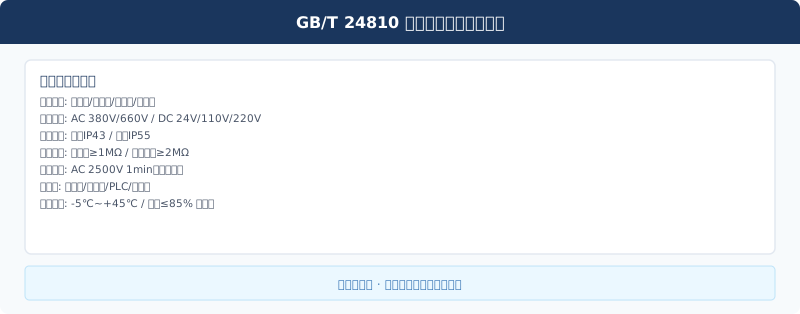
Scope and Purpose of the Standard
GB/T 24810《起重机用电气控制设备》主要规定了起重机起重机用电气相关的技术要求和安全指标,适用于额定起重量0.5t以上的各类起重机械。该标准不仅覆盖新设备的设计与制造环节,还对在用设备的检验、维护和改造提出了明确的技术指导。作为起重机标准体系中的关键组成部分,该标准与EN 13001系列、ISO 4309等标准协调一致,共同构成了完整的技术规范体系。标准中明确的技术参数和安全系数要求,为设计人员提供了清晰的设计依据,也为第三方检验机构的型式试验和出厂检验提供了可量化的判定标准。
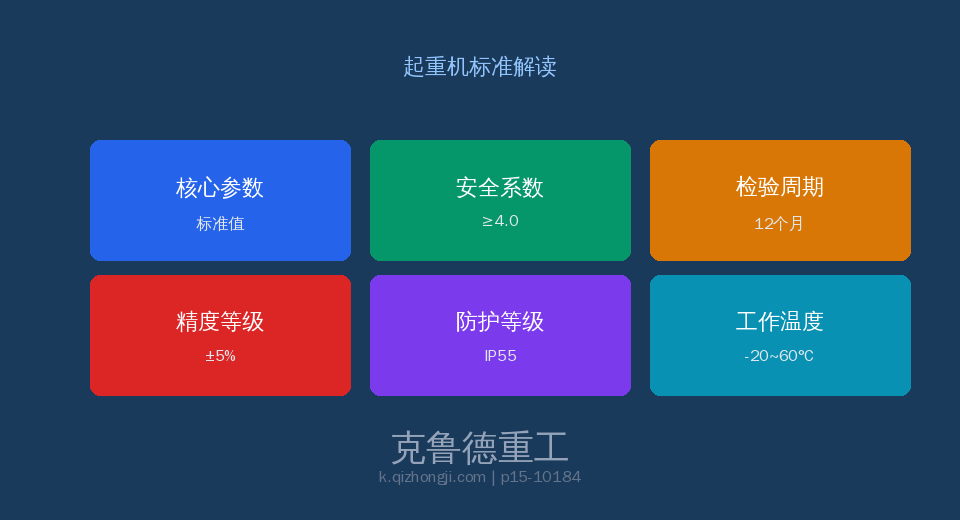
Core Technical Specifications
根据GB/T 24810的技术规定,起重机用电气控制的设计与制造需要满足一系列严格的技术参数要求。这些参数的确定基于大量试验数据和安全工程理论,覆盖了从材料选用到结构设计的全过程。标准规定的安全系数取值范围充分考虑起重机械在恶劣工况下的疲劳寿命和极限载荷条件。
Comparative Analysis of Key Technical Parameters
| Project | Technical Requirements | Note |
|---|---|---|
| 控制电压 | 手持≤AC48V/DC24V安全电压 | 控制箱AC220V隔离变压器 |
| 急停按钮 | 红色蘑菇头≥25mm+黄色背景 | 响应≤0.2s锁定式 |
| Protection Rating | 控制柜IP54(室内)/IP56(室外) | 按钮站IP65 |
| 绝缘电阻 | ≥1MΩ(500V兆欧表) | 耐压AC2500V/1min |
| Security Level | SIL2(安全相关功能) | Hard-Wired Safety Relay |
| EMC | 抗扰度EN 61000-6-2/辐射6-4 | 变频器配EMC滤波器 |
Inspection Requirements and Frequency
Factory inspections shall be conducted unit by unit by the quality inspection department at the manufacturer’s facility. Equipment that passes inspection shall be accompanied by a detailed inspection report and a certificate of conformity. Type testing shall be conducted when a new product enters production for the first time, when production is transferred to a different facility, or when major structural changes are made. The periodic inspection interval for in-service equipment shall be determined based on the duty class and operating environment, and generally shall not exceed 12 months.
| Project | Technical Requirements | Note |
|---|---|---|
| 功能检查 | 按钮/指示灯/显示 | 每日使用前+异常停机 |
| 急停测试 | 按下确认主接触器断开 | 每周+≤0.2s |
| 绝缘电阻 | 500V兆欧表 | 季度+≥1MΩ |
| 触点磨损 | 接触器主触点厚度 | 半年+<70%更换 |
Safety Operation and Management Requirements
The standard places particular emphasis on the importance of operator qualifications and training, requiring that all operators undergo specialized training and obtain the appropriate qualifications before being allowed to work. Equipment-using entities should establish a comprehensive equipment record management system to document in detail the entire process of installation, use, maintenance, and inspection. Any identified safety hazards must be addressed in accordance with the corrective action procedures specified in the standard to ensure that the equipment remains in a safe and controlled condition at all times.
Frequently Asked Questions
问:GB/T 24810对控制电压的规定?
答:手持按钮装置≤AC48V/DC24V安全电压。控制箱AC220V需隔离变压器。
问:GB/T 24810标准对电气控制设备急停按钮的规格颜色和响应时间要求?
答:红色蘑菇头≥25mm+黄色背景。响应≤0.2s。推入锁定旋转复位。双断开常闭触点。
问:GB/T 24810标准对控制柜按钮站的防护等级有什么规定?
答:控制柜室内IP54室外IP56。按钮站IP65(手持式)。
问:GB/T 24810标准规定的电气控制设备日常检验项目和周期?
答:每日功能检查。每周急停测试。季度绝缘≥1MΩ。半年触点磨损检查。
🔧 克鲁德重工 — 专注起重机设计与制造,产品严格遵循GB/T 24810标准体系,提供全生命周期服务。
