
Crane Rigging & Lifting Slings Guide
Rigging Selection
Available in 1T×2m, 1T×5m, 1T×6m, 2T×2m, 2T×5m, 2T×6m, 3T×2m, 3T×5m, 3T×6m, 5T×2m, 5T×5m, 5T×6m, 5T×8m, 5T×10m, 8T×6m, 8T×8m, 8T×10m, 10T×6m, 10T×8m, 10T×10m, 15T×6m, 15T×8m, and 15T×10m lifting slings. Custom rigging specifications are available upon request.
Introduction to Crane Rigging
Crane rigging, also known as lifting slings, crane slings, hoisting ropes, overhead crane rigging, or industrial lifting slings, is an essential tool that connects the lifting equipment to the load during hoisting operations.
Rigging Materials
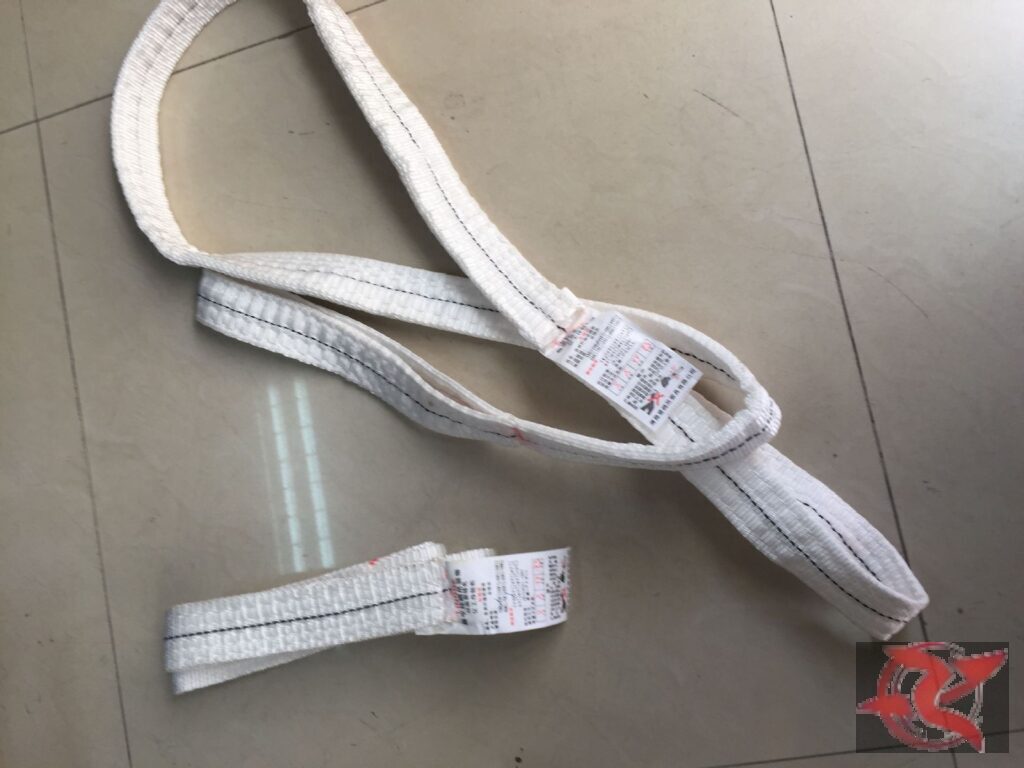
Rigging (flat synthetic fiber lifting slings) is woven from high-strength polyester filaments (poly-m-phenylene isophthalamide fiber material), with materials including polypropylene, polyamide, DuPont silk, nylon, and other synthetic fibers. The sling is soft and pliable, with no electrical conductivity hazards and no chemical hazards.
Rigging Types
Rigging is classified into four types: endless round slings, endless flat slings, two-eye round slings, and two-eye flat slings. The appropriate type can be selected based on the hoisting method.
Disadvantages of Rigging
The primary disadvantage of rigging is that sharp edges on the load can cause damaging cuts to the sling. To protect the rigging from cutting damage, protective padding can be placed between the sling and the load.
Advantages of Rigging
1. Lightweight and easy to use.
2. Does not damage the surface of the load.
3. Provides stable and safe hoisting.
4. High strength, with capacity indicated by color coding.
5. Improves labor efficiency and reduces costs.
6. Excellent corrosion resistance and wear resistance.
Rigging Standard Parameters
Type: Single-ply, double-ply, four-ply
Material: 100% polyester fiber
Capacity range: Flat slings 1T-30T, round slings 1T-300T
Width: 25mm-150mm
Elastic deformation: <10% at rated load, 2%-3% at ultimate working load
Load identification: Once the sling label wears off during use, the load capacity can be identified by the color of the sling outer cover
Working temperature: -40 to 100°C
Safety factor: 5:1, 6:1, 7:1. Manufactured to the latest industry standard JB/T8521.1-2007, with a safety factor of 6.
Rigging Applications
Rigging is widely used in shipbuilding, metallurgy, machinery, mining, petroleum, chemical, port, power, electronics, transportation, and military industries.
Rigging is lightweight and easy to maintain, offers good chemical resistance, and features excellent characteristics such as light weight, high strength, and minimal risk of damaging the load surface.
Usage Precautions
1. Never use damaged rigging;
2. Do not twist or entangle the rigging during hoisting;
3. Do not tie knots in the sling during use;
4. Avoid tearing the stitched areas or overloading the sling;
5. Do not drag the rigging when moving it;
6. Avoid sudden jerking or shock loading of the rigging;
7. Each sling must be carefully inspected before every use;
8. Polyester slings resist inorganic acids but are susceptible to damage from organic acids;
9. Fiber spandex is suitable for environments requiring chemical resistance;
10. Nylon resists strong organic acids but is susceptible to damage from surface acids, and can lose up to 15% of its strength when wet;
11. If the rigging comes into contact with chemicals or is used at high temperatures, consult the supplier for guidance.