

Interpretation of the GB/T 10051.4 Standard “Lifting Hooks and Hook Nuts”
📌GB/T 10051.4 "Lifting Hooks and Hook Nuts"It is an important technical specification in the crane industry. This standard, established by the National Standardization Administration, specifies requirements for crane hook nuts.
This standard provides a unified technical basis for designers, inspection agencies, and users. Krude Heavy Industry strictly adheres to the technical requirements of this standard throughout the product development and manufacturing processes to ensure the equipment’s compliance and reliability.
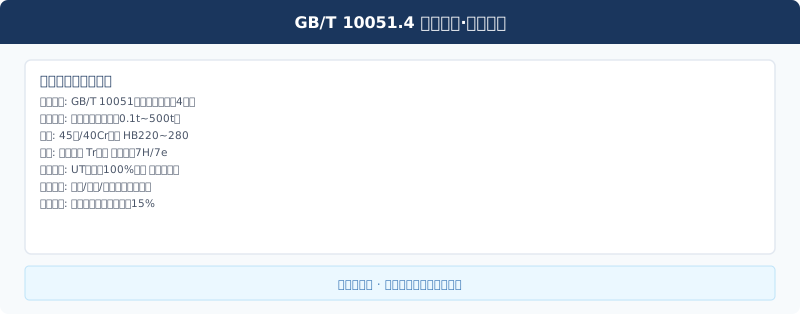
Scope and Purpose of the Standard
GB/T 10051.4, “Lifting Hooks and Hook Nuts,” primarily specifies the technical requirements and safety criteria for lifting hooks used on cranes. It applies to all types of lifting machinery with a rated lifting capacity of 0.5 metric tons or more. This standard not only covers the design and manufacture of new equipment but also provides clear technical guidance for the inspection, maintenance, and retrofitting of in-service equipment. As a key component of the crane standards system, this standard is harmonized with standards such as the EN 13001 series and ISO 4309, collectively forming a comprehensive system of technical specifications.
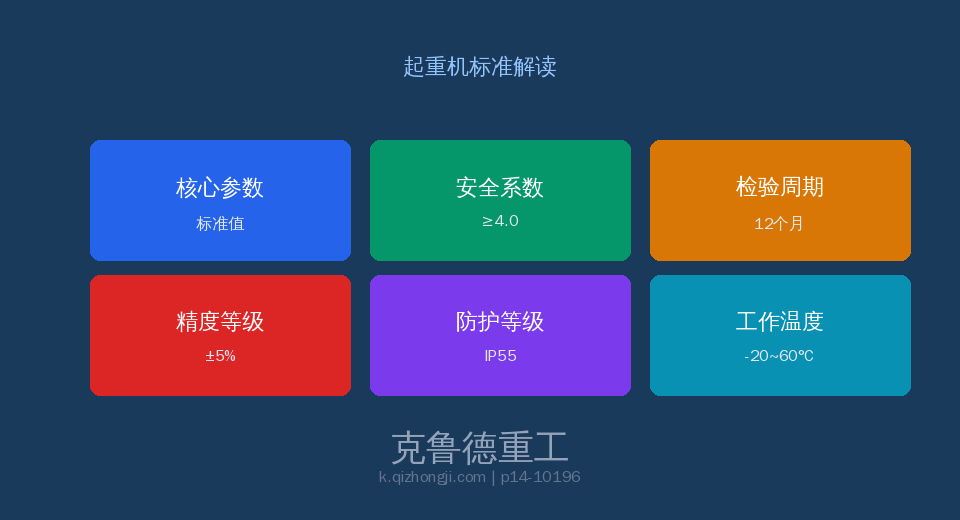
Core Technical Specifications
According to the technical specifications of GB/T 10051.4, the design and manufacture of lifting hooks and hook nuts must meet a series of strict technical parameter requirements. These parameters are determined based on extensive experimental data and safety engineering theory, covering the entire process from material selection to structural design. The range of safety factor values specified in the standard fully accounts for the fatigue life and ultimate load conditions of lifting equipment under severe operating conditions.
Comparative Analysis of Key Technical Parameters
| Project | Technical Requirements | Note |
|---|---|---|
| Materials | No. 45 Steel (Quenched and Tempered)/40Cr (Quenched and Tempered) | Yield strength ≥ 640 MPa |
| Performance Level | Grade 10.9 (for use with bolts) | Hardness: HRC 32–39 |
| Thread Specifications | GB Coarse Thread 6H | Stress concentration zone in the tool retraction groove |
| Anti-loosening Measures | Split Pins / Lock Washers / Lock Nuts | Prioritize the use of double nuts to prevent loosening |
| Non-Destructive Testing | MT Magnetic Particle 100% | Cutter Retraction Groove + Thread Root |
| Preload Torque | In accordance with the GB/T 1231 standard | Construction Using the Final Torsional Torque Method |
Inspection Requirements and Frequency
Factory inspections shall be conducted unit by unit by the quality inspection department at the manufacturer’s facility. Equipment that passes inspection shall be accompanied by a detailed inspection report and a certificate of conformity. Type testing shall be conducted when a new product enters production for the first time, when production is transferred to a different facility, or when major structural changes are made. The periodic inspection interval for in-service equipment shall be determined based on the duty class and operating environment, and generally shall not exceed 12 months.
| Project | Technical Requirements | Note |
|---|---|---|
| Magnetic Particle Inspection | Tool Retraction Groove/Thread Root | Year + Cracks Found, Scrapped |
| Thread Inspection | Wear/Deformation/Stripped Threads | Quarterly + Replace as Soon as a Problem Is Detected |
| Anti-loosening devices | Status of Split Pins/Lock Washers | Monthly + Valid and in Good Condition |
| Logo | Grade/Specification/Date | Permanently Clear and Visible |
Safety Operation and Management Requirements
The standard places particular emphasis on the importance of operator qualifications and training, requiring that all operators undergo specialized training and obtain the appropriate qualifications before being allowed to operate the equipment. Organizations using the equipment should establish a comprehensive equipment record-keeping system to document in detail the entire process of installation, use, maintenance, and inspection.
Frequently Asked Questions
Q: What are the material requirements for hook nuts specified in GB/T 10051.4?
Answer: Quenched and tempered No. 45 steel or quenched and tempered 40Cr steel. Yield strength ≥ 640 MPa. Strength class 10.9.
Q: What are the requirements regarding the types and inspection of anti-loosening devices specified in the GB/T 10051.4 standard for hook nuts?
Answer: Split pins, lock washers, and double nuts. Double nuts are the preferred method for preventing loosening. Monthly inspections confirm they are in good working order.
Q: What areas and inspection intervals does the GB/T 10051.4 standard specify for non-destructive testing of hook nuts?
Answer: Magnetic particle inspection of 100% covers the retraction groove and the root of the threads. Any cracks detected during the annual inspection result in immediate scrapping.
Q: What are the requirements of the GB/T 10051.4 standard regarding the content and method of marking hook nuts?
Answer: Performance ratings, specifications, and date of manufacture remain clearly visible at all times. They are relabeled when replaced.
🔧 Krude Heavy Industries — Specializing in crane design and manufacturing, our products strictly comply with the GB/T 10051.4 standard system, and we provide full lifecycle services.
