

Interpretation of the GB/T 24811 Standard “Brakes for Cranes”
📌GB/T 24811 "Brakes for Cranes"It is an important technical specification in the crane industry. This standard, developed by the National Standardization Administration, pertains to crane brakes.
This standard provides a unified technical basis for designers, inspection agencies, and users. Krude Heavy Industry strictly adheres to the technical requirements of this standard throughout the product development and manufacturing processes to ensure the equipment’s compliance and reliability.
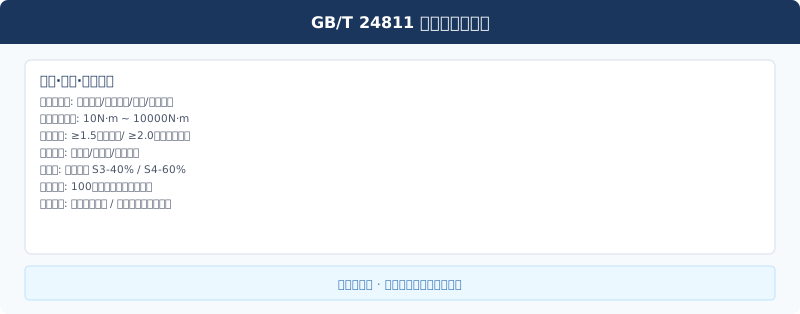
Scope and Purpose of the Standard
GB/T 24811, “Brakes for Cranes,” primarily specifies the technical requirements and safety criteria for brakes used in cranes and applies to all types of lifting machinery with a rated lifting capacity of 0.5 metric tons or more. This standard not only covers the design and manufacture of new equipment but also provides clear technical guidance for the inspection, maintenance, and retrofitting of in-service equipment. As a key component of the crane standards system, this standard is harmonized with standards such as the EN 13001 series and ISO 4309, collectively forming a comprehensive system of technical specifications. The technical parameters and safety factor requirements specified in the standard provide designers with a clear basis for design and offer quantifiable criteria for type testing and factory acceptance inspections conducted by third-party inspection bodies.
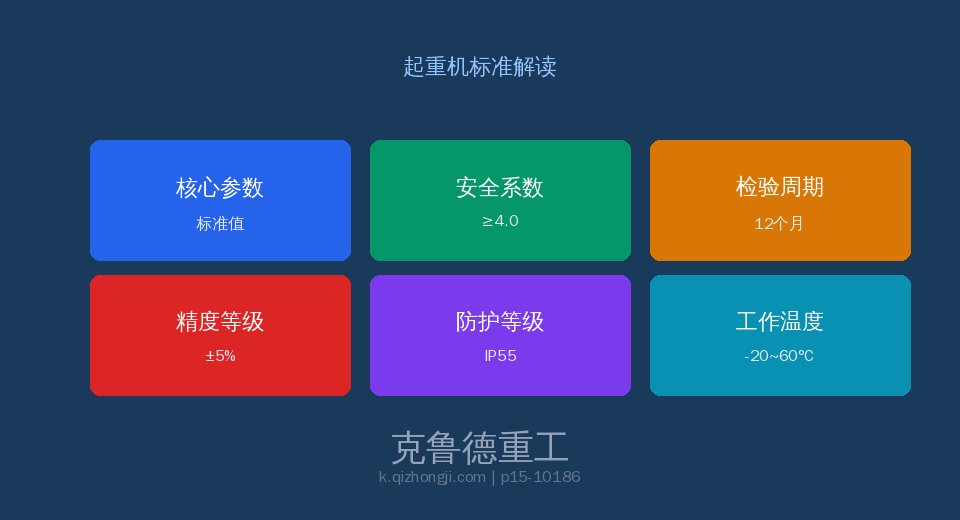
Core Technical Specifications
According to the technical specifications of GB/T 24811, the design and manufacture of brakes for cranes must meet a series of strict technical parameter requirements. These parameters are determined based on extensive experimental data and safety engineering theory, covering the entire process from material selection to structural design. The range of safety factors specified in the standard fully accounts for the fatigue life and ultimate load conditions of lifting machinery under severe operating conditions.
Comparative Analysis of Key Technical Parameters
| Project | Technical Requirements | Note |
|---|---|---|
| Braking torque | 1.5 times the rated load torque or more per unit | Dual brakes, each operating independently |
| Coefficient of Friction | 0.35–0.50 (hot) ≥ rated value 80% | Asbestos-free and eco-friendly |
| Brake Clearance | 0.3–0.8 mm automatic compensation | Manual adjustment allowed |
| Heat Capacity | Temperature rise during 10 consecutive full-load braking cycles ≤ 150°C | Oversize or Air-Cooled |
| Protection Rating | IP54 (indoor)/IP55 (outdoor) | Drain hole facing downward |
| Brake Pad Life | ≥500,000 cycles (at rated load) | Remaining<初始50%更换 |
Inspection Requirements and Frequency
Factory inspections shall be conducted unit by unit by the quality inspection department at the manufacturer’s facility. Equipment that passes inspection shall be accompanied by a detailed inspection report and a certificate of conformity. Type testing shall be conducted when a new product enters production for the first time, when production is transferred to a different facility, or when major structural changes are made. The periodic inspection interval for in-service equipment shall be determined based on the duty class and operating environment, and generally shall not exceed 12 months.
| Project | Technical Requirements | Note |
|---|---|---|
| Braking torque | Torque Tester | Monthly + ≥1.5 times the rated value |
| Friction Plate | Thickness + Wear Uniformity | Monthly + Remaining<50% Replacement |
| Brake Clearance | Feeler Gauge Measurement | Monthly +0.3–0.8 mm |
| Heat Capacity | Temperature Rise Record During Continuous Braking | Annual +≤150°C |
Safety Operation and Management Requirements
The standard places particular emphasis on the importance of operator qualifications and training, requiring that all operators undergo specialized training and obtain the appropriate qualifications before being allowed to work. Equipment-using entities should establish a comprehensive equipment record management system to document in detail the entire process of installation, use, maintenance, and inspection. Any identified safety hazards must be addressed in accordance with the corrective action procedures specified in the standard to ensure that the equipment remains in a safe and controlled condition at all times.
Frequently Asked Questions
Q: What are the requirements for braking torque specified in GB/T 24811?
Answer: Each brake must be capable of withstanding ≥1.5 times the rated load torque. In the case of dual brakes, each must meet this requirement independently; if one fails, the other must still be able to brake the rated load.
Q: What are the requirements of the GB/T 24811 standard regarding the selection of materials for brake linings and the criteria for replacement due to wear?
Answer: Asbestos-free, eco-friendly, with a coefficient of friction of 0.35–0.50. Remaining thickness<Replaced the original 50%. Found oil leakage and inspected the seal.
Q: What are the requirements of the GB/T 24811 standard regarding the range of brake clearance and automatic compensation?
Answer: 0.3–0.8 mm automatic compensation. Monthly feeler gauge measurements. Quarterly inspection of the electromagnet stroke.
Q: What are the brake torque requirements and inspection intervals for brake linings specified in the GB/T 24811 standard?
Answer: Monthly inspection of braking torque, friction linings, and clearances. Annual thermal capacity verification at ≤150°C.
🔧 Krude Heavy Industry — Specializing in crane design and manufacturing, our products strictly comply with the GB/T 24811 standard system, and we provide full lifecycle services.
