

Smart Crane Core Technologies and Development Trends
What Is a Smart Crane?
A smart crane is a new generation of lifting equipment that builds on conventional lifting appliances by integrating Internet of Things (IoT), sensor technology, automation control, and artificial intelligence (AI). These technologies enable remote monitoring, intelligent dispatching, fault prediction, and automated operation for lifting equipment.
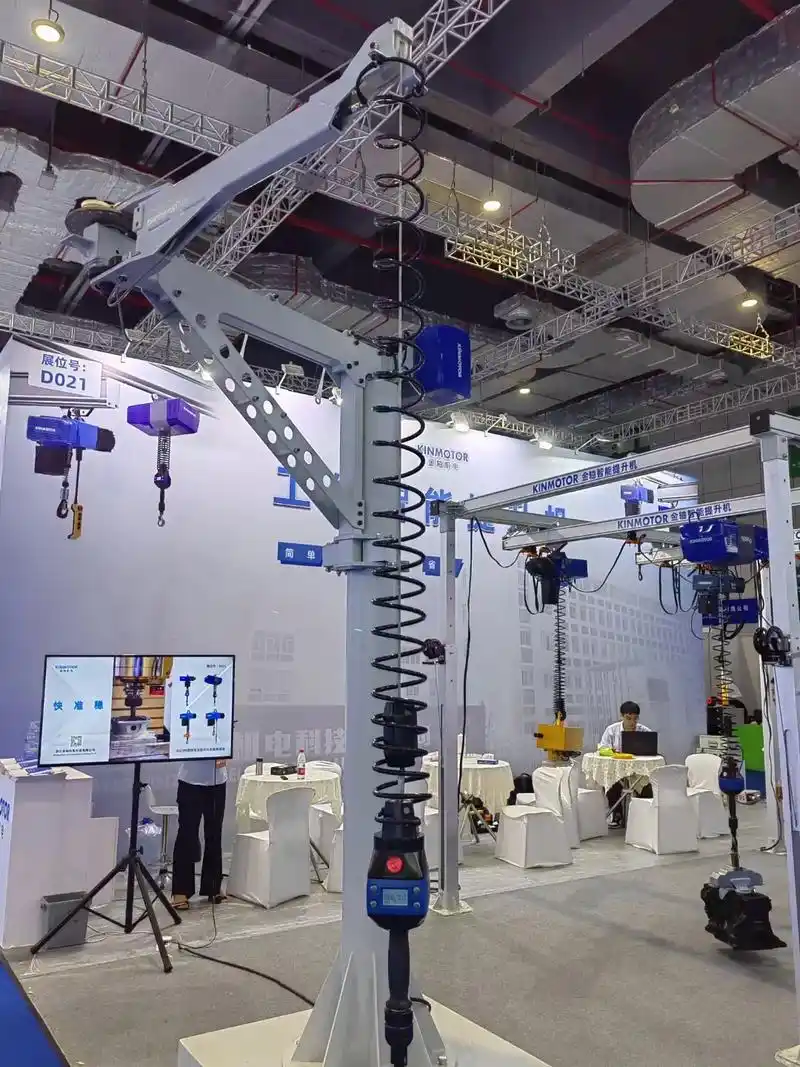
▲ Smart cranes in action at a modern manufacturing facility
Core Technology Architecture of Smart Cranes
1. IoT Sensor Layer
Perception is the foundation of a smart crane. High-precision sensors—including displacement sensors, load moment indicators (LMI), temperature sensors, and vibration sensors—are deployed on critical components such as the hoisting mechanism, travel mechanism, and steel structure to capture real-time operating data. This data is transmitted to the cloud via LoRa, NB-IoT, or 5G networks, building a comprehensive big-data pool for equipment health monitoring.
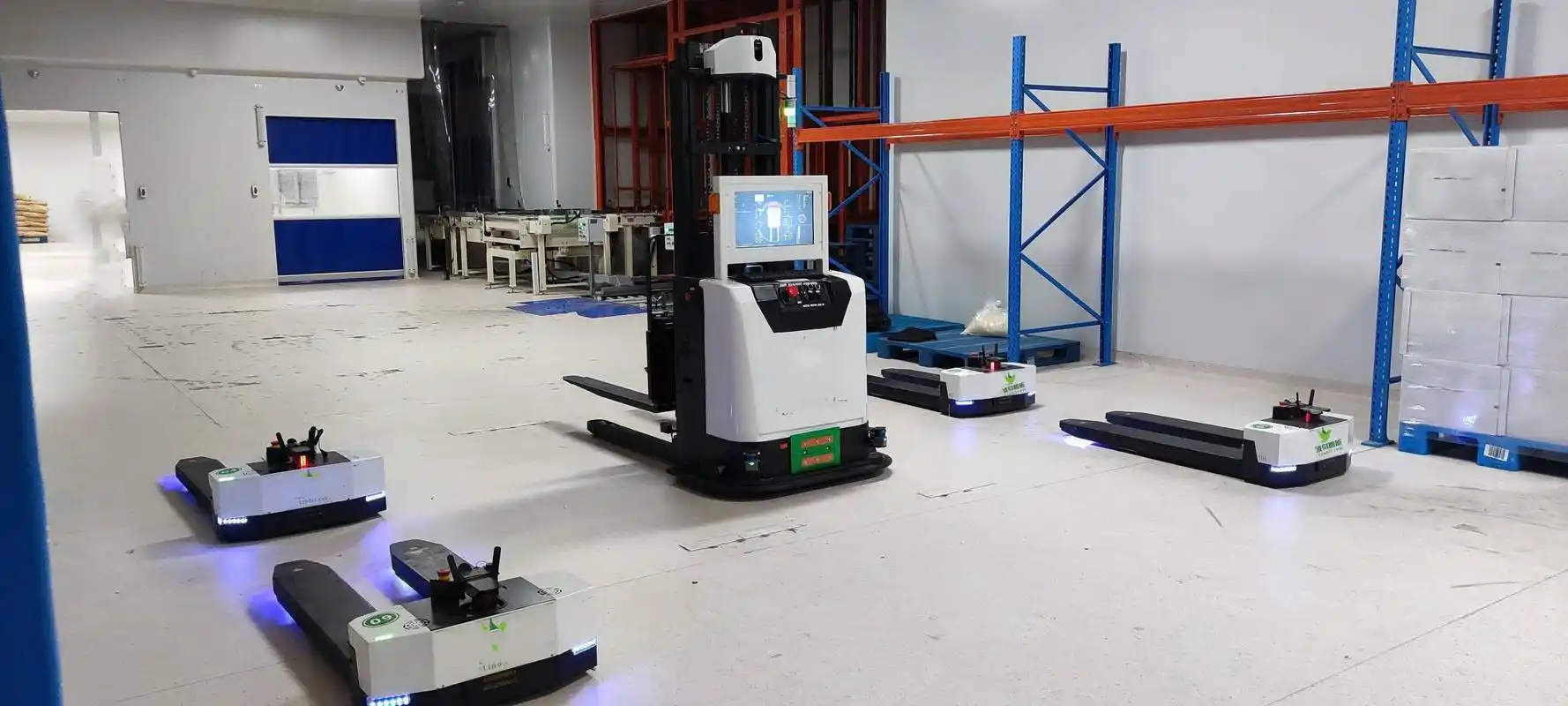
▲ IoT sensor networks enable full life cycle data collection
2. 5G Remote Control and Video Feedback
The low latency (under 10 ms) and high bandwidth (1 Gbps downlink) of 5G networks make real-time remote operation a reality. Operators can control cranes from a control center hundreds of kilometers away, using multiple high-definition camera feeds over a dedicated 5G network to perform precise hoisting operations.
3. AI-Powered Intelligent Dispatching System
Using machine learning and operations research optimization algorithms, the intelligent dispatching system can simultaneously assign tasks and plan paths for dozens of cranes. The system automatically analyzes variables such as task priority, equipment location, and load capacity to generate optimal dispatching plans in real time.
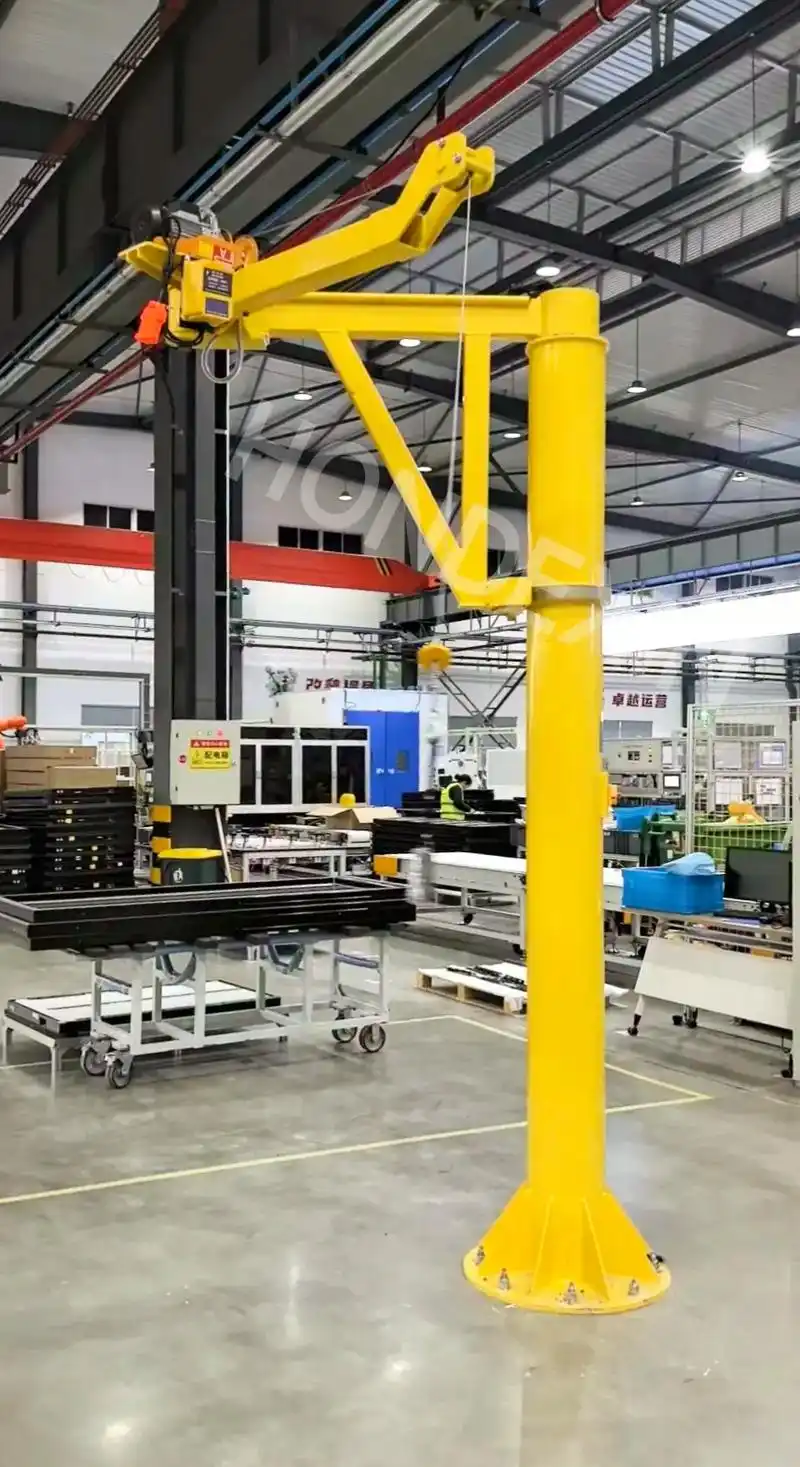
▲ Multiple smart cranes working in sync at a smart factory
4. Digital Twin and Predictive Maintenance
Digital twin technology creates a precise virtual model for each physical crane, mapping its operating status in real time. Fault prediction models trained on historical data can issue warnings 7–14 days before component failure, with an accuracy rate exceeding 92%.
Smart Crane Industry Trends
According to data from the Qianzhan Industry Research Institute, the smart crane market in China surpassed CNY 28 billion in 2025, with a compound annual growth rate of 24.6%.
- Unattended Operation: Fully automated crane systems combining machine vision and AI path planning for completely unmanned operation
- Cluster Coordination: Multiple cranes working in real-time sync via edge computing to improve heavy-lift efficiency
- AI Safety Management: Deep learning-based behavior recognition that automatically detects unsafe practices and intervenes in real time
- Carbon Emission Management: Intelligent energy management systems that optimize equipment energy consumption profiles to support green factory initiatives
- Standardized Interfaces: Seamless integration with MES/ERP systems to eliminate data silos
Kelude Smart Crane Solutions
Henan Kelude Heavy Industry Co., Ltd. has years of experience in the lifting equipment industry and offers a full smart product line covering new intelligent bridge cranes, smart gantry cranes, and light-duty smart lifting equipment. All products come standard with IoT data acquisition terminals and a remote monitoring platform, supporting industrial IoT protocols such as OPC UA and MQTT for seamless integration with enterprise MES and ERP systems.
