

Bridge Crane Intelligent Upgrade & Retrofit Guide
Why Upgrade Your Overhead Crane to a Smart System?
China's industrial sector currently operates more than 500,000 bridge cranes, most of which still rely on traditional contactor-relay controls. These legacy systems suffer from high energy consumption, frequent breakdowns, and operational data silos. Retrofitting existing cranes with intelligent controls costs just 30%-50% of the price of new equipment, making it the go-to strategy for manufacturers looking to boost productivity without the capital outlay of a full replacement.
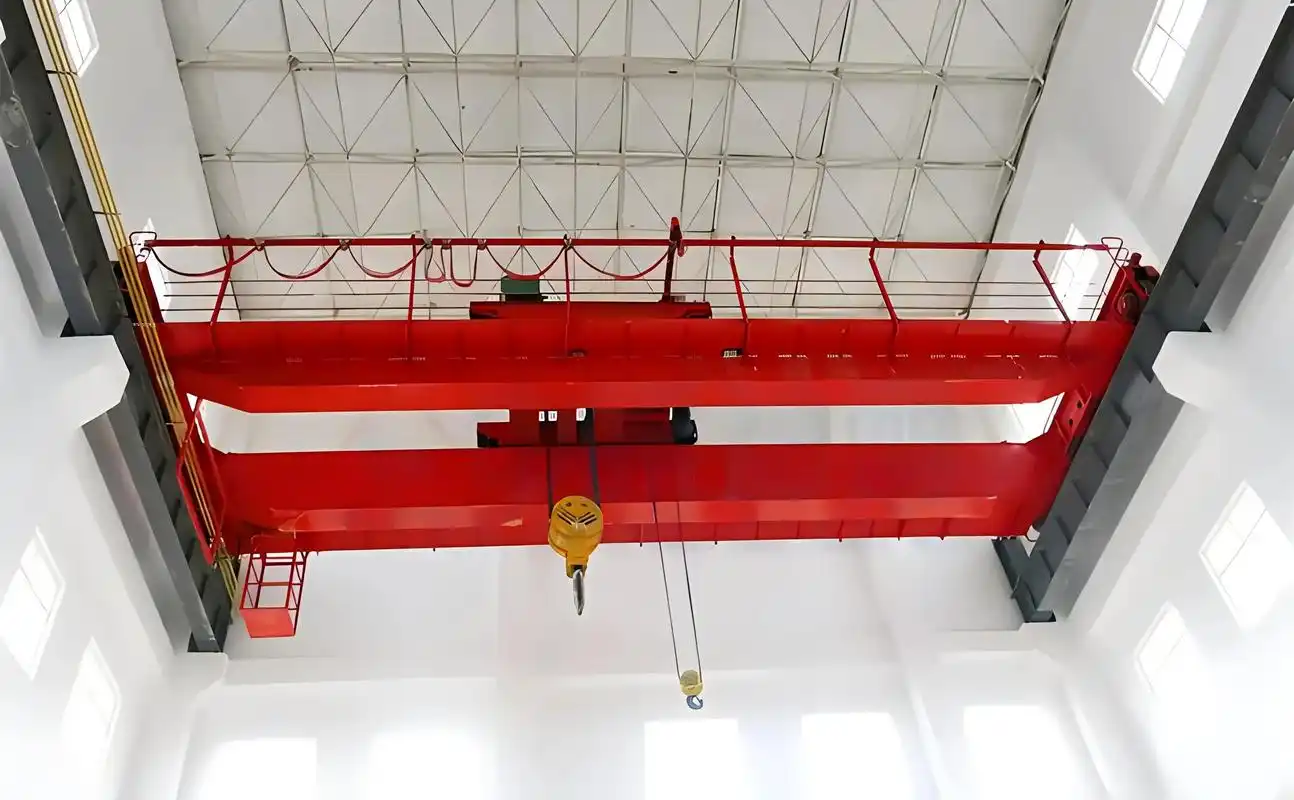
▲ Illustration of a bridge crane smart upgrade
Four Core Modules for a Complete Crane Modernization
1. Variable Frequency Drive (VFD) Retrofit
Replacing direct-on-line starting or wound rotor motors with a variable-frequency motor + VFD drive system delivers stepless speed control across all three motions—hoisting, long travel, and cross travel. VFD technology eliminates inrush current at startup (cutting starting current from 6-7 times the rated current down to just 1.2 times), recovers braking energy, and achieves overall energy savings of 20%-35%.
2. Remote Monitoring & Data Acquisition
Install a smart data acquisition terminal (DTU) inside the electric control cabinet, connected to the VFD and PLC communication ports via current/voltage transformers, encoders, and temperature sensors. The system collects 30+ parameters including lifting capacity, cycle count, cumulative operating hours, and fault codes, transmitting data to a cloud-based management platform over 4G/5G networks.
3. Anti-Sway Control System
Conventional bridge cranes suffer from significant load sway during travel, which slows down operations and creates safety hazards. By adding an anti-sway controller (based on input shaping or fuzzy logic algorithms), the load swing angle can be reduced from ±5° to within ±0.5°. Data from an automotive manufacturing plant shows that the anti-sway system cuts average positioning time by 40%.
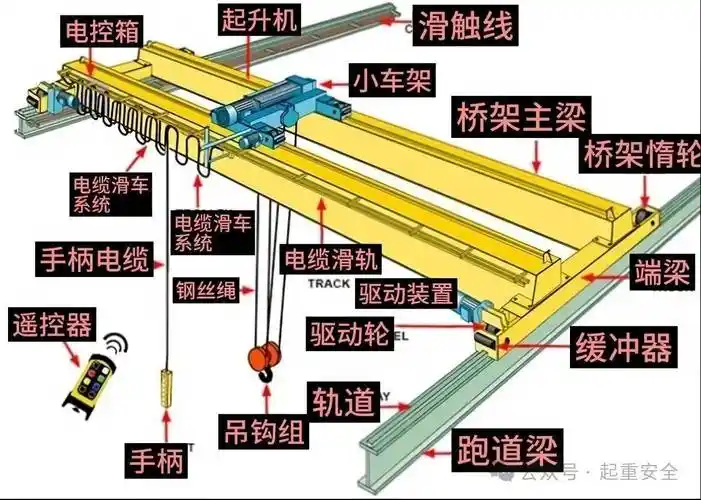
▲ PLC-based intelligent control system for bridge cranes
4. Smart Dispatching & MES Integration
The upgraded control system connects to your enterprise MES via an OPC UA communication interface, automatically receiving production work orders and assigning lifting tasks. The system calculates optimal hoisting routes based on task priority, equipment location, and load capacity, enabling multiple cranes to work together seamlessly.
Retrofit Costs vs. Long-Term Savings
Cost breakdown for a typical 50/10t general purpose bridge crane:
- VFD retrofit: $6,000-$12,000 (includes VFD, braking unit, and control cabinet modifications)
- Remote monitoring: $1,200-$2,200 (includes DTU, sensors, and annual platform fee)
- Anti-sway system: $3,000-$6,000 (includes controller and encoder installation)
- Smart dispatching interface: $700-$1,500 (includes software development and commissioning)
- Total retrofit investment: $10,000-$21,000 per crane, versus $37,000-$52,000 for a new smart crane of the same class
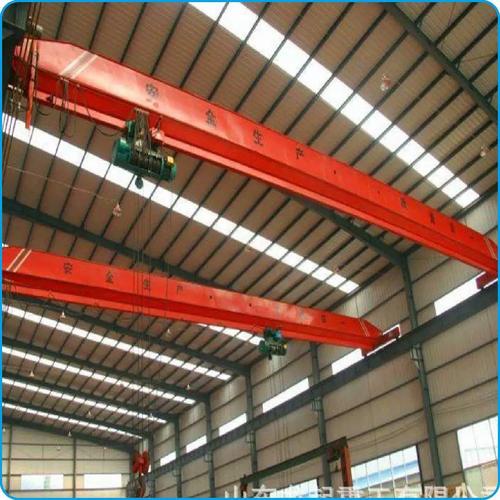
▲ VFD control cabinet retrofit for a bridge crane
Key Considerations Before You Retrofit
- Certification requirements: The retrofit contractor must hold a special equipment modification license (Class A or B), and the upgrade plan requires approval from the local special equipment inspection authority.
- Downtime planning: Each crane typically requires 10-15 days of downtime for the retrofit—plan your production schedule accordingly.
- Reusing existing components: The steel structure, crane rails, and wheels can generally remain in service. Motors and gearboxes should be evaluated for wear to determine whether replacement is necessary.
