

Electric Hoist Common Faults and Maintenance: Complete Guide
Why Electric Hoist Maintenance Matters
The electric hoist is the most frequently used core component of a crane and the most prone to failure. Industry statistics show that approximately 65% of crane equipment failures stem from improper electric hoist maintenance. A well-executed routine maintenance program can extend the service life of an electric hoist from the typical 3–5 years to 8–10 years, while significantly reducing production losses caused by unexpected downtime.
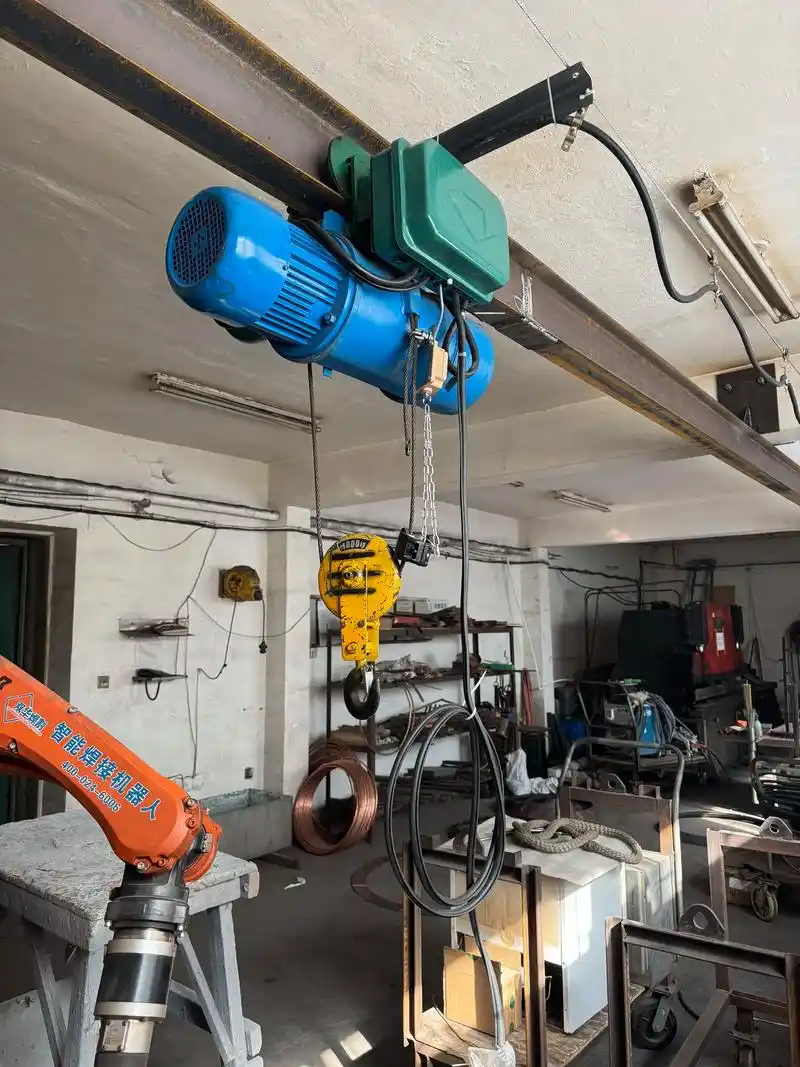
▲ Routine electric hoist maintenance on site
Daily and Weekly Electric Hoist Inspection Checklist
1. Wire Rope Inspection and Lubrication
The wire rope is the lifeline of the electric hoist. Before each work shift, visually inspect the entire length of the wire rope for broken wires, wear, corrosion, and deformation. Per ISO 4309 (replacing GB/T 5972), the rope must be replaced immediately if the number of broken wires within one lay length reaches 10% of the total wires, if diameter wear exceeds 7%, or if kinking, twisting, or severe corrosion is detected.
2. Brake Inspection and Adjustment
The electric hoist brake is what keeps a suspended load safely in place. Check brake response and lining wear daily. Replace the brake lining when its thickness falls below the specified limit (typically 50% of the original thickness, approximately 3mm). Brake spring pressure adjustment should only be performed by qualified personnel to ensure the braking torque meets the 1.25-times rated load safety requirement.
3. Electrical System Inspection
- Check the control handle cable for cuts, cracks, or damage
- Verify smooth power transmission through the conductor rail or cable, and confirm carbon brush wear is within the specified limits
- Inspect the motor junction box for loose connections or moisture ingress
- Test limit switches for reliable operation by manually triggering them to confirm power cutoff
Scheduled Maintenance Plan: Monthly, Quarterly, and Annual Tasks
| Period | Maintenance Item |
|---|---|
| Daily | Wire Rope Visual inspection, Brake Operational Check, Limit switch Testing, Abnormal Noise Inspection |
| Weekly | Wire Rope Lubrication, Motor Temperature Rise Check, Contactor Contact Inspection, Anchor Bolt Tightening |
| Monthly | Braking Segment Wear Measurement, Gearbox Oil Level Check, Cable Pulley block/Conductor Rail / Busbar Inspection, Hook Rotation Flexibility Check |
| Quarterly | Insulation Resistance Test(≥1MΩ), Control Cabinet Cleaning Tightening, Gearbox Oil Change |
| Annually | Complete Overhaul Maintenance, Load test(1.25multiples of rated load), Safety Monitoring System Calibration, Special Inspection Retract |
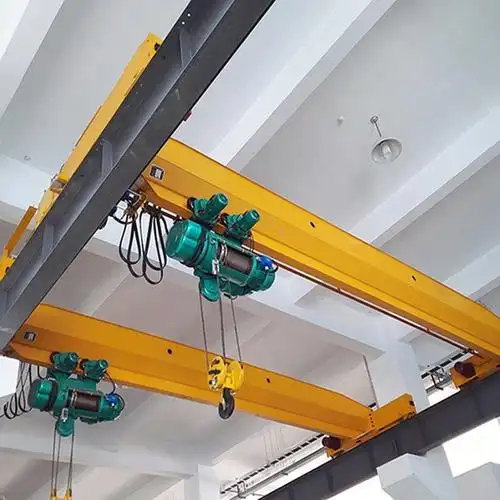
▲ Routine inspection of the electric hoist electrical system
Common Electric Hoist Faults & Troubleshooting
Fault 1: Weak hoisting or no lifting action
Check: Motor phase loss, brake not fully releasing, low voltage, overload
Fault 2: Load slipping after braking
Check: Worn brake lining, excessive brake clearance, oil-contaminated braking surface, spring fatigue
Fault 3: Abnormal noise during operation
Check: Low gearbox oil level, damaged bearing, worn gear, dry wire rope friction
Fault 4: Limit switch failure
Check: Deformed limit lever, welded contacts, loose wiring, displaced stop block
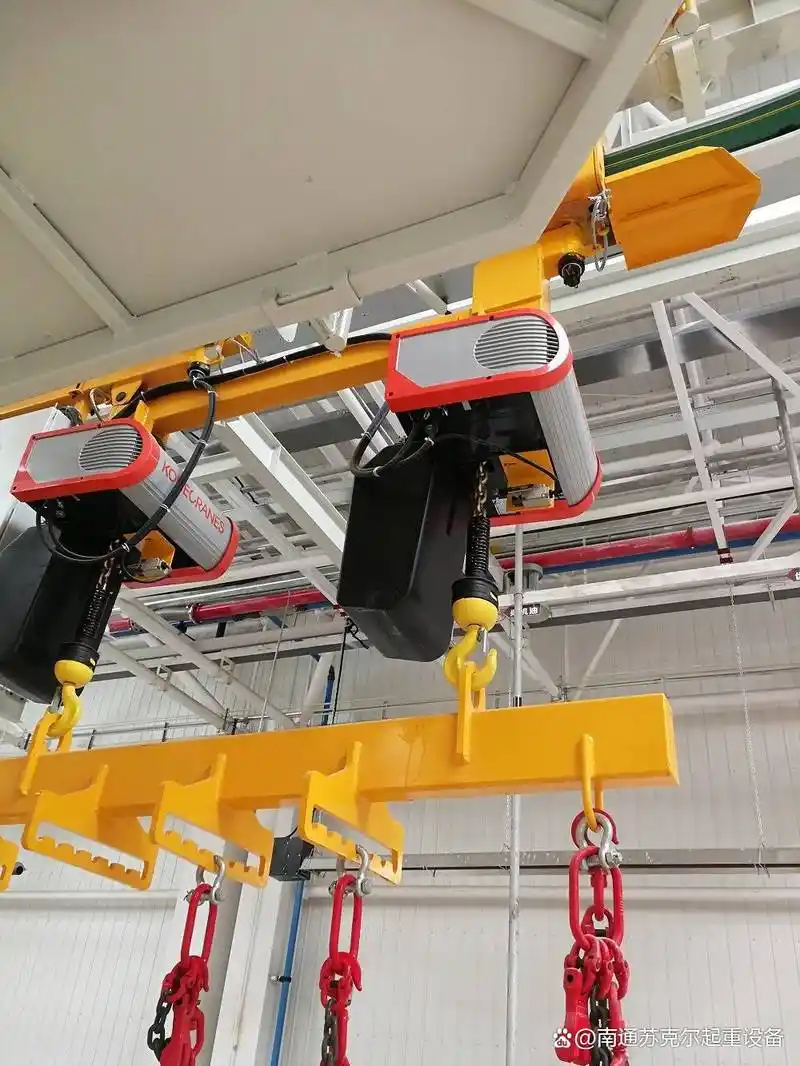
▲ Periodic wire rope inspection and lubrication
Kelude After-Sales Service & Lifetime Support
Kelude Heavy Industry maintains a lifetime service record for every electric hoist that leaves our factory, with proactive reminders for scheduled maintenance. Our network of 12 service centers across the country provides emergency repair with a 24-hour on-site response guarantee. We also offer operator training programs to help your team establish a standardized maintenance routine.
