

Crane Safety Monitoring System: Technical Standards & Implementation
Why Your Crane Needs a Safety Monitoring System
As special equipment, cranes carry inherent risks that directly impact personnel safety and property protection. The Safety Technical Regulation for Special Equipment (TSG 51—2024), issued by the State Administration for Market Regulation, mandates that all newly manufactured bridge and gantry cranes must be equipped with a Safety Monitoring and Management System (LOMS). Existing equipment must be retrofitted with this system by the end of 2026.
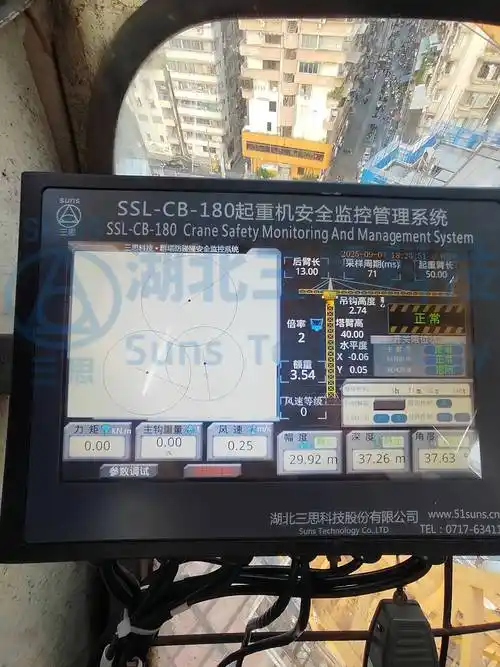
▲ Overall architecture of the crane safety monitoring system
Core Technology Modules of a Safety Monitoring System
1. Load Limiting and Overload Protection
The load limiter is the most fundamental—and most critical—safety device on any crane. Using tension sensors or pressure sensors mounted at the hoisting wire rope termination, the system continuously monitors the suspended load weight. An audible and visual pre-alarm is triggered when the load reaches 90% of the rated load, and the hoisting circuit is automatically cut off with a full alarm at 105%.
2. Travel Limit Switches and Anti-Collision System
Travel limit protection covers three axes: hoisting height limiter, bridge travel limit, and trolley travel limit. Three technology approaches are available: weighted lever type, cam type, and non-contact type (photoelectric or proximity switch). For multi-crane installations operating on the same runway, the anti-collision system uses laser distance measurement or UWB positioning to monitor clearance between adjacent cranes in real time, with three-stage deceleration and braking to ensure safe operation.
3. Condition Monitoring and Fault Diagnosis
Key operating parameters—including motor current, brake status, gearbox temperature, and wire rope wear—are monitored online. An integrated fault diagnosis model identifies common failure modes (such as brake slippage, motor overload, and abnormal bearing temperature rise) and provides recommended maintenance actions.
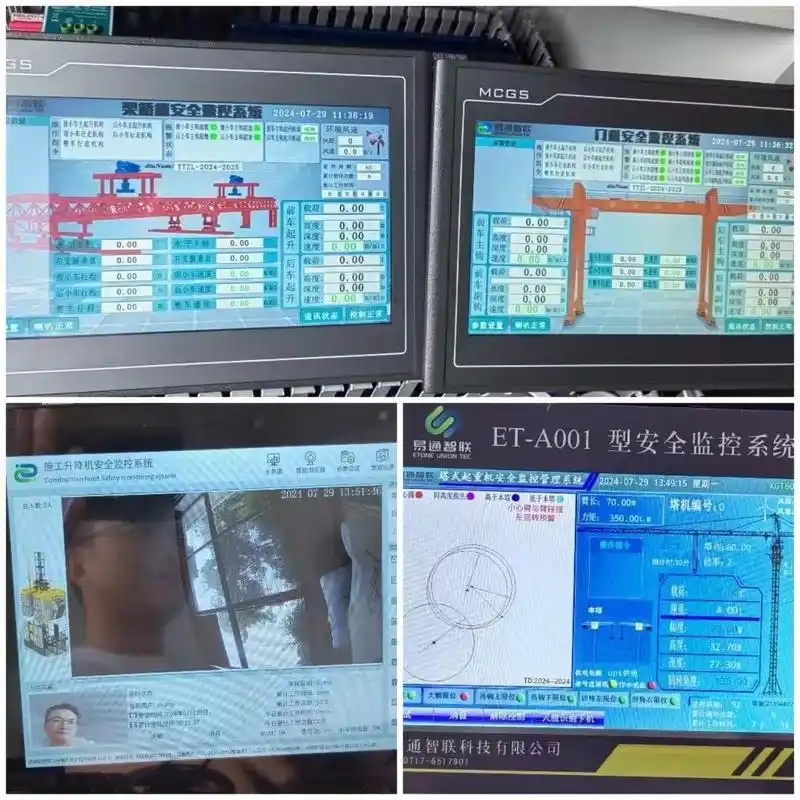
▲ Real-time data display interface of the safety monitoring system
4. Black Box Data Recording
Similar to an aircraft flight recorder, the safety monitoring system includes a high-capacity storage module that continuously records the most recent six months of operational data—including load curves, operator action sequences, alarm events, and fault codes. In the event of an incident, dedicated software can replay the full operational data from five minutes before and after the occurrence.
How to Choose the Right Safety Monitoring System
- Sensor quality: Select imported or top-tier domestic sensors (e.g., HBM, Zemic) to ensure long-term stability
- Display terminal: Industrial-grade touch screen (HMI) of 10 inches or larger, sunlight-readable, and operable with gloves
- Communication: Support for 4G/5G remote data upload for centralized fleet monitoring
- Open interfaces: Standard protocols including OPC UA and Modbus TCP for integration with plant MES systems
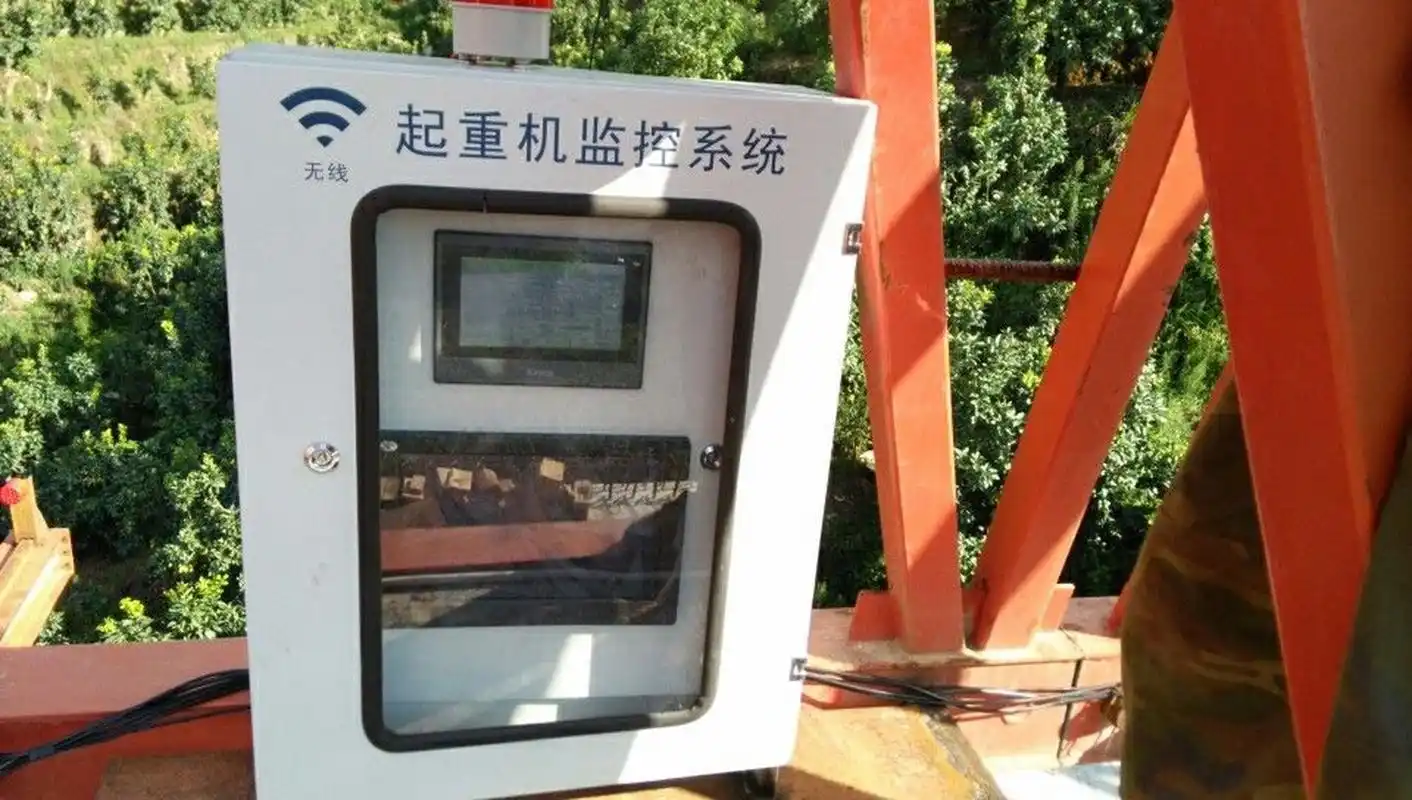
▲ On-site installation and commissioning of the safety monitoring system
Kelude Safety Monitoring Solutions
Kelude Heavy Industry offers a full range of safety monitoring systems compliant with TSG 51—2024, covering two product lines: cranes up to 100t rated lifting capacity and custom solutions for heavy-lift applications. All products are certified by national special equipment inspection authorities, and we provide a complete installation + commissioning + training package.
