
Brake Lining Wear Limit Standards for Cranes
Brake linings are critical components that ensure the safe stopping of crane equipment. In actual operation, as the lining thickness wears down from an initial 15mm to 8mm, the braking distance typically increases by over 20%, and the friction coefficient drops accordingly. Failure to replace them promptly can lead to severe accidents such as load slipping. This article provides a detailed analysis of wear limit standards, replacement procedures, and selection strategies for brake linings, helping maintenance personnel establish a scientific evaluation system to ensure smooth equipment operation.
Before discussing specific wear values, it is essential to clarify relevant national specifications. According to the FEM 1.001 Crane Design Standard, brake design must meet reliable braking requirements under severe working conditions. Meanwhile, the TSG 51-2023 Crane Safety Technical Supervision Regulation sets clear mandatory requirements for routine inspection and discard criteria of brakes. These documents serve as the fundamental basis for on-site maintenance.
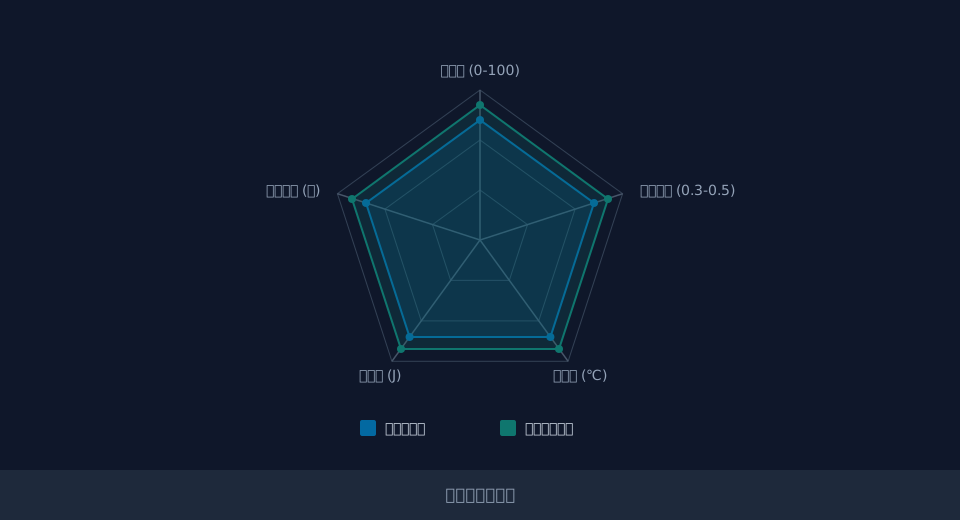
The following sections analyze the wear limits and management strategies for crane brake linings from five dimensions: national standard definitions, replacement process comparisons, material selection costs, fault diagnosis and maintenance, and online monitoring technologies, providing you with a comprehensive maintenance reference guide.
National Standards and Thickness Requirements for Crane Brake Lining Wear Limits
The wear limit of brake linings is a core indicator in crane safety assessment. In conventional hoisting mechanisms, the initial thickness of brake linings is typically designed between 12mm and 15mm. As usage time increases, surface material consumption reduces the effective thickness. When the wear amount reaches 50% of the initial thickness, it is considered to have reached the wear limit. For example, a lining with an initial thickness of 12mm has an allowable wear limit thickness of 6mm. At this point, the friction coefficient between the lining and the brake wheel drops from the standard value of around 0.4 to below 0.3, causing significant attenuation of braking torque.
"According to relevant design specifications, the braking torque of the brake under rated load must be 1.5 to 2.5 times greater than the static torque of the lifting load. If the lining wears to its limit thickness without timely adjustment of the brake spring or replacement of the lining, it will directly result in insufficient braking torque, failing to meet safety factor requirements."
⚠️ Note
It is strictly prohibited to continue operating with worn-out linings beyond their limit thickness. Some on-site personnel, attempting to save costs, excessively tighten the brake spring to compensate for the loss of friction force. This causes excessive stress on the brake wheel bearings, accelerating bearing damage and even leading to serious accidents such as main shaft fracture.
Comparative Analysis of Riveting and Bonding Technologies in Brake Lining Replacement Processes
When linings reach their wear limit and need replacement, the choice of fixing method directly affects the operating stability of the brake. Currently, mainstream fixing methods are divided into riveting and bonding. The riveting process uses countersunk rivets to fix the lining to the brake shoe, requiring the rivet head to sink into the lining surface by no less than 2mm. This process offers high connection strength and good high-temperature resistance, making it suitable for heavy load and frequent braking conditions. The bonding process uses specialized high-temperature resistant structural adhesive, requiring the brake shoe surface to be ground to a roughness of Ra3.2 or higher, and cured at room temperature for 24 hours before being put into operation.
When selecting a replacement process, the operational characteristics of the equipment must be comprehensively considered. If the braking distance setting of the brake is unreasonable—for instance, if dynamic adjustments are not made based on measured data of the anti-collision safety distance—frequent inching operations generate massive impact shear forces. In such cases, the reliability of the riveting process is significantly higher than that of bonding. The bonding process is more suitable for light-to-medium duty cranes with smooth operation and low impact loads.
"Industry measured data shows that under the same work classification, the replacement interval of linings using standard riveting processes is extended by approximately 15% compared to bonding processes. When riveted linings reach their wear limit, the rivet heads protrude before the lining material, emitting obvious abnormal noise of metal friction, providing intuitive early warning for on-site personnel."
💡 Tip
When using the bonding process, oil stains and rust on the shoe surface must be thoroughly removed with acetone or specialized cleaners before applying glue. If the surface cleaning is incomplete, the glue layer is prone to failure due to detachment under the high temperatures generated during braking, leading to the complete detachment of the lining.
Material Selection and Life Cycle Cost Control for Brake Linings Under Different Operating Conditions
The material of brake linings directly determines their wear resistance, friction stability, and service life. Common materials include resin-based composites, semi-metallic materials, ceramic-based composites, and powder metallurgy materials. In standard workshop environments, resin-based linings are widely used due to their low cost and ease of processing, with long-term operating temperatures usually not exceeding 150°C. However, in high-temperature or heavy load conditions such as metallurgical and port industries, powder metallurgy linings show significant advantages, with tolerance temperatures reaching above 300°C and a service life of up to 8,000 hours—double that of standard resin-based linings (4,000 hours).
When selecting materials, one should not only look at the single procurement unit price but also introduce a life cycle cost (LCC) evaluation model. Although the initial procurement cost of powder metallurgy linings is about 30% higher than that of standard resin-based linings, their replacement frequency is reduced by half. Comprehensive calculations of downtime costs and spare parts consumption show better long-term cost control effects. When Kelude Heavy Industry provides customized solutions for heavy load cranes, we typically recommend lining materials with higher matching degrees based on the actual work classification of the equipment and the control accuracy of AI anti-sway algorithms, achieving a good balance between performance and cost.
"Maintenance statistics from a large steel enterprise's rolling mill workshop indicate that upgrading the hoisting mechanism brake linings from standard asbestos-resin-based to copper-based powder metallurgy materials reduced the annual number of lining replacements per unit from 4.5 to 1.2, decreasing comprehensive maintenance costs by 22%."
⚠️ Note
Avoid blindly chasing high-grade materials during selection. For light-duty cranes with a Work Duty of only A1 to A3, using powder-metallurgy brake linings not only results in performance overspecification but may also accelerate wear on the Brake wheel surface due to their higher hardness. Material selection must align with the equipment’s Work Duty and load spectrum.
Diagnosing Abnormal Lining Wear & Setting Scientific Maintenance Cycles
Beyond normal, uniform wear, brake linings frequently suffer from abnormal faults such as uneven wear, burning, and cracking. Uneven wear typically manifests as one side being thicker than the other, often caused by eccentric installation of the Brake wheel, deformation of the Brake base, or uneven adjustment of the brake shoe clearance. Burning is accompanied by a pungent odor and surface carbonization, primarily resulting from hoisting operations initiated before the Brake fully opens or excessive Brake Spring pressure that prevents heat dissipation. These abnormal wear patterns not only shorten lining service life but can also trigger structural fatigue issues—commonly associated with main beam weld crack detection—due to uneven stress distribution.
To detect and correct these anomalies promptly, daily maintenance cycles must be scientifically defined. For high-duty equipment, we recommend inspecting lining thickness and surface condition every 250 operating hours. Consider this engineering case study to understand how wear impacts braking performance: Assume a Long Travel Speed of 60 m/min (1 m/s) with a design deceleration of 0.5 m/s². According to kinematic formulas, the theoretical braking distance is s = v² / (2a) = 1² / (2 × 0.5) = 1 m. If severe wear reduces the friction coefficient by 20%, dropping deceleration to 0.4 m/s², the actual braking distance extends to s = 1² / (2 × 0.4) = 1.25 m. This 0.25 m deviation is critical in precision Hoisting applications.
"Fault statistics indicate that approximately 45% of all Brake failure incidents are caused byUntimely replacement of abnormally worn brake linings. Among these, uneven wear accounts for the highest proportion at 28%, followed by burning faults caused by overload or improper operation at 17%."
⚠️ Note
Maintenance intervals should not remain static. In High-Temperature Environment or workshops with significant dust, particulates can embed into the lining surface, causing abrasive wear. In such cases, reduce the inspection interval to 150 hours or less, and regularly use compressed air to clean accumulated dust from inside the Brake assembly.
Online Monitoring of Lining Wear Limits & Intelligent Upgrade Solutions
With the advancement of Internet of Things (IoT) technology, traditional periodic manual inspections are gradually shifting toward online real-time monitoring. By installing high-precision Displacement Sensor or thickness probes on the brake shoes, remaining lining thickness data can be acquired in real time. These sensors typically offer a measurement accuracy of 0.1 mm, transmitting data via 4–20 mA analog signal or digital protocols to the PLC Control System. When the monitored thickness falls below the alarm threshold (e.g., 7 mm), the system automatically triggers an Audible and Visual Alarm. Upon reaching the wear limit (e.g., 6 mm), it forcibly cuts off the Hoisting circuit, ensuring inherent safety.
Intelligent upgrading extends beyond simple thickness monitoring, integrating parameters like braking time and motor current for comprehensive health assessment. Kelude Heavy Industry has integrated lining wear data into its full life cycle management platform in recent intelligent crane developments. The system analyzes the wear rate to predict the remaining useful life of the linings, guiding maintenance teams to perform preventive replacements during planned downtime. This approach keeps the system Response time under 50 ms, significantly improving overall equipment utilization.
"A case study on the intelligent upgrading of a Warehouse crane in an Automated Storage & Retrieval System (AS/RS) showed that introducing online lining monitoring reduced unplanned downtime caused by Brake failures by 65%. Maintenance personnel shifted from reactive repairs to proactive prevention, raising equipment availability to 99.2%."
💡 Tip
Online monitoring sensors are prone to zero drift in High-Temperature Environment and high-vibration conditions. We recommend calibrating the sensors against standard gauge blocks every six months to ensure measurement accuracy and avoid unnecessary downtime caused by false alarms.
To provide a clearer comparison of performance differences between various lining materials and the causes of common faults, please refer to the two detailed data tables below.
📊 Comparison of Physical Performance Parameters for Different Brake Lining Materials
| Material Type | friction coefficient (Dry State) | Permitted Operationtemperature | Expectedservice life | ApplicableWork Duty / Classification |
|---|---|---|---|---|
| Resin Matrix Composite (RMC) | 0.35 - 0.45 | ≤ 150℃ | Approx. 4000 Hours | A1 - A3 |
| Semi-Metallic Composite | 0.40 - 0.50 | ≤ 200℃ | Approx. 5500 Hours | A3 - A5 |
| Ceramic Matrix Composite (CMC) | 0.45 - 0.55 | ≤ 250℃ | Approx. 6500 Hours | A4 - A6 |
| PowdermetallurgicalMaterial | 0.35 - 0.45 | ≤ 300℃ | Approx. 8000 Hours | A6 - A8 |
Once material properties are established, it is critical to understand the various types of abnormal wear that brake linings may experience during operation and their root causes. This knowledge enables targeted fault diagnosis.
📊 Common Abnormal Wear Patterns in Brake Linings: Fault Symptoms & Causes
| fault symptom | Surface Feature Description | Primarycause analysis | Handling andCorrective Action |
|---|---|---|---|
| One-sided Wear | Lining Thickness Significantly Thinner on One Side,Wedge-shaped | Brake wheelEccentric、brake shoeinstallationinclination/tiltOrbaseDeformation | Re-TurningBrake wheel,adjustmentbrake shoe clearance,Correctionbase |
| Surface Charring/Carbonization | Friction Surface Blackening、Burning Odor、Occurrence ofCrackOr Glazing | BrakeOperation Before Full Release,Orspring pressureExcessive | inspectionPush Rodstroke,adjustmentBrake SpringToStandardTorque |
| LocalizedspallingSpalling | Pitting on Lining Surface,Blocky Material Detachment | Substandard Material、BondingFailureOr Severe Impact | replacementQualified Lining,inspectionRivets or Adhesive Layerbonding strength |
| Abnormal Noise andvibration | BrakingHigh-pitched Squeal,Accompanied by Equipment Vibration | Lining Surface Hardening、Presence of Oil/Grease orBrake wheelRough Surface | Grinding orreplacementLining,CleaningBrake wheelSurface Oil Contamination |
Effective wear management for brake linings is not merely a matter of part replacement; it is a systematic engineering challenge encompassing materials science, process specifications, and intelligent monitoring. Kelude Heavy Industry brings extensive experience in customizing heavy-load cranes, providing full lifecycle solutions—from initial selection to intelligent upgrades—tailored to your specific operating conditions. We help enterprises ensure efficient and safe equipment operation.
FAQ
Q: At what wear threshold must brake linings be forcibly replaced?
A: According to industry standards, brake linings must be replaced when the wear amount reaches 50% of the initial thickness. For example, if the initial thickness is 12mm, replacement is mandatory when worn down to 6mm. At this point, the friction coefficient drops significantly, increasing the braking distance and posing a high safety risk. Immediate shutdown and replacement are required.
Q: What are the technical parameter differences between powder metallurgy linings and standard resin-based linings?
A: Powder metallurgy linings offer superior High Temperature Resistant performance, withstanding long-term working temperatures above 300°C (572°F) while maintaining a stable friction coefficient. Their service life typically exceeds 8,000 hours. In contrast, standard resin-based linings generally tolerate temperatures around 150°C (302°F) and have a service life of approximately 4,000 hours. Powder metallurgy materials are better suited for frequent braking in high-temperature, heavy load condition scenarios.
Q: What is the approximate cost to replace a set of brake linings on a large crane?
A: Costs vary significantly based on material, specification, and brand. Standard resin-based linings generally have a lower procurement cost per set, whereas powder metallurgy materials carry a higher unit price. Additional costs include labor for disassembly/installation and commissioning fees. A precise Quotation requires calculation based on the specific Model and actual procurement list. The final amount is subject to the actual contract.
Q: How can you quickly identify uneven wear during routine inspection?
A: Uneven wear can be identified by measuring the remaining thickness at different positions on the lining. If the thickness difference between the edge and the center of the same lining exceeds 1.5mm (0.06 inches), or if obvious one-sided bright spots or grooves appear on the surface, uneven wear is present. This is usually caused by Brake wheel eccentricity or improper shaft alignment of the Brake, requiring immediate adjustment.
